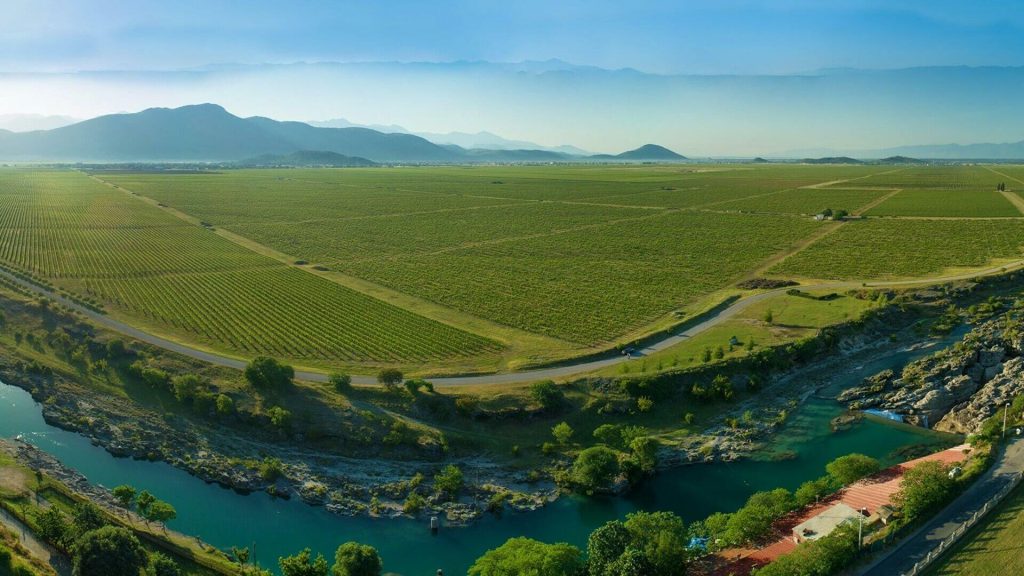
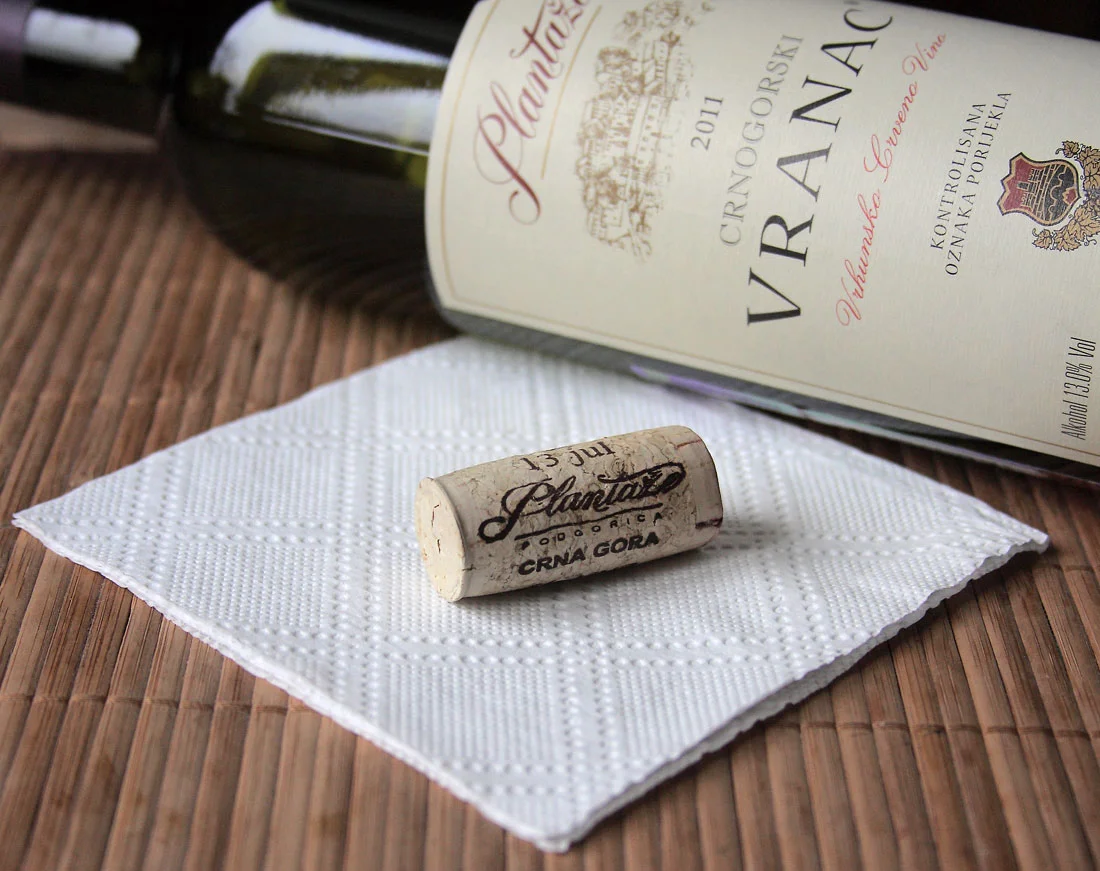
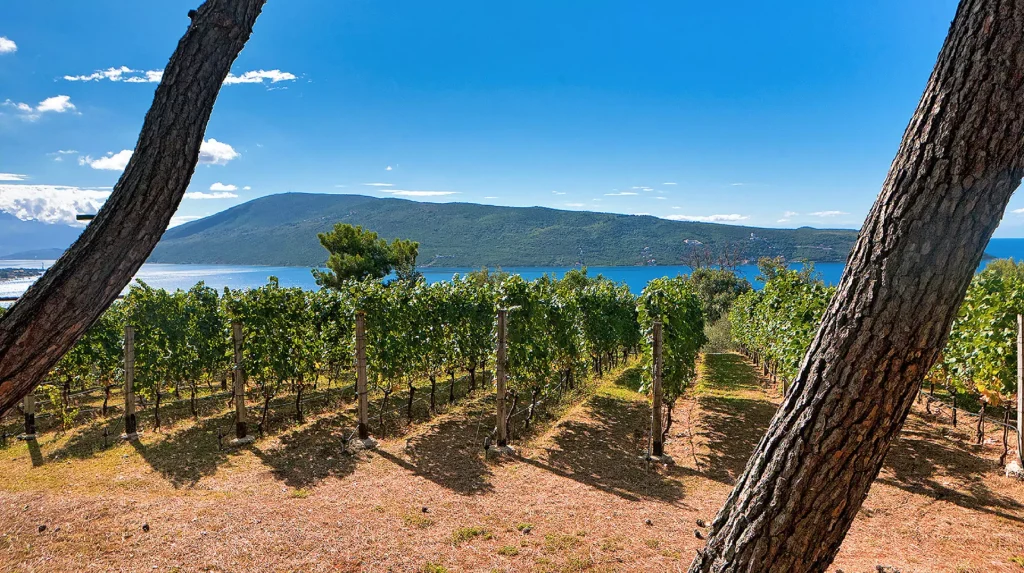
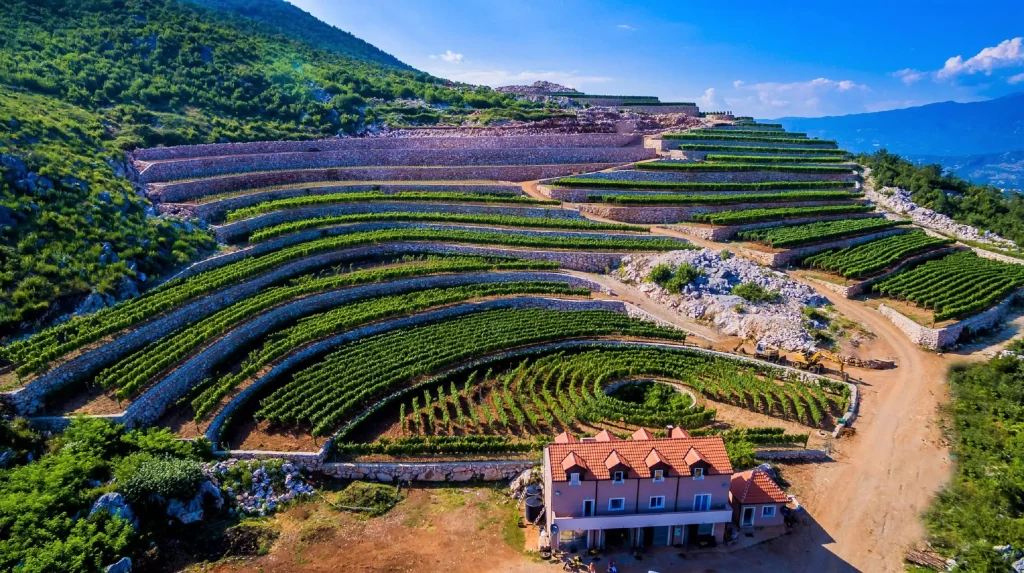
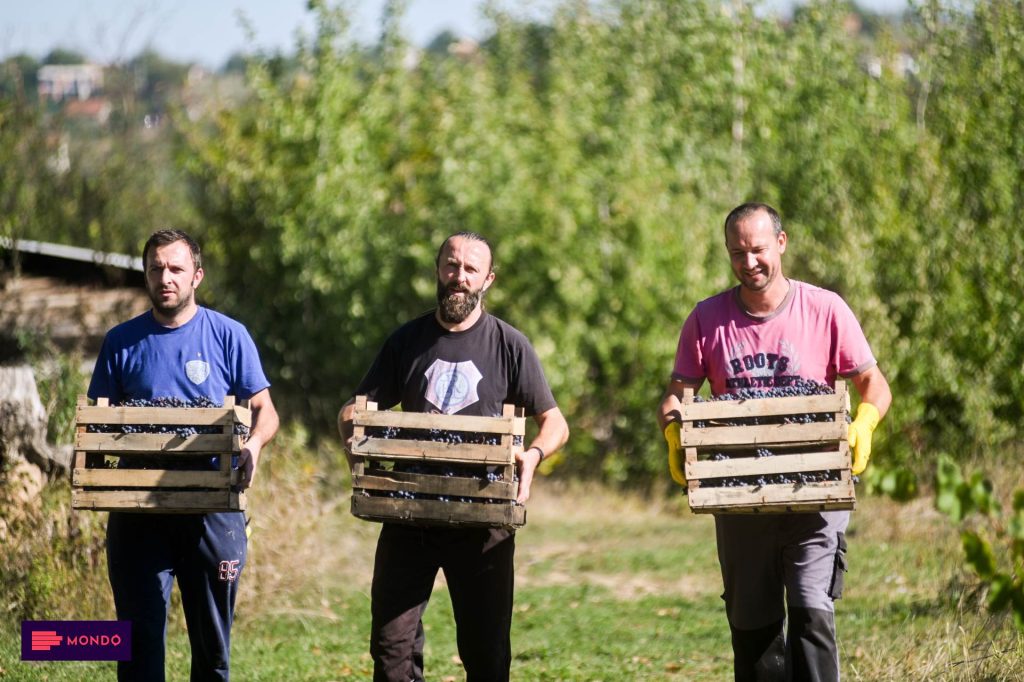
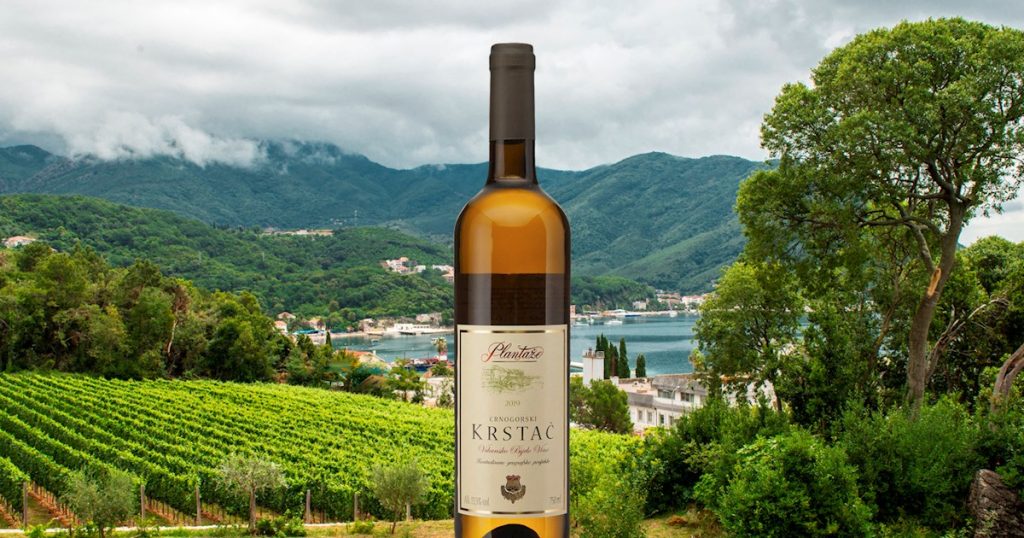
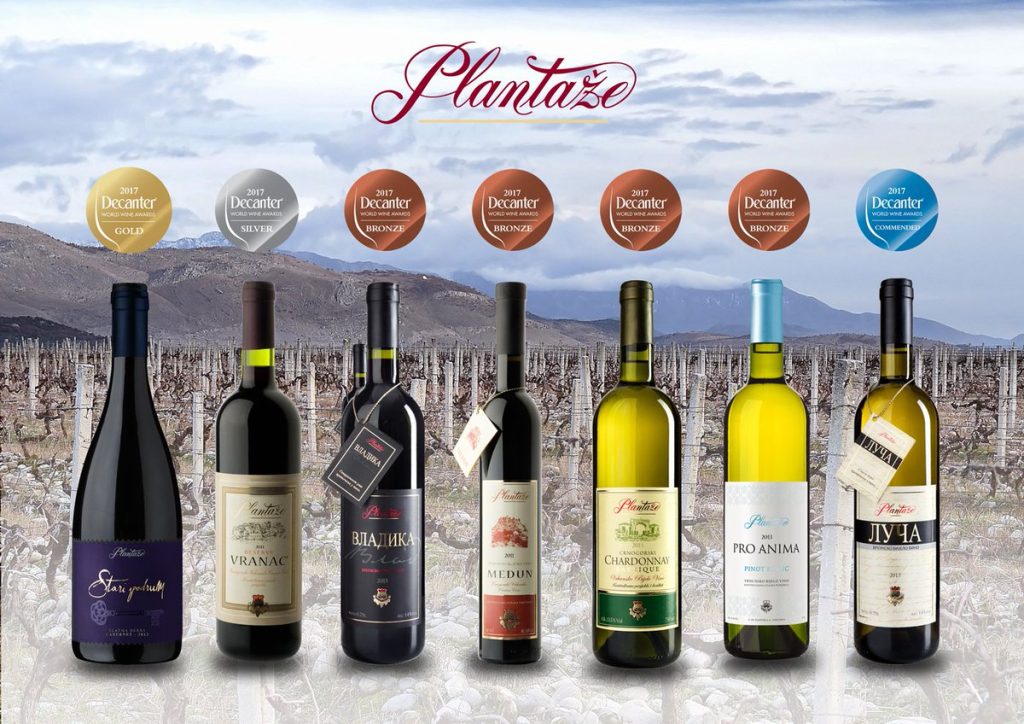
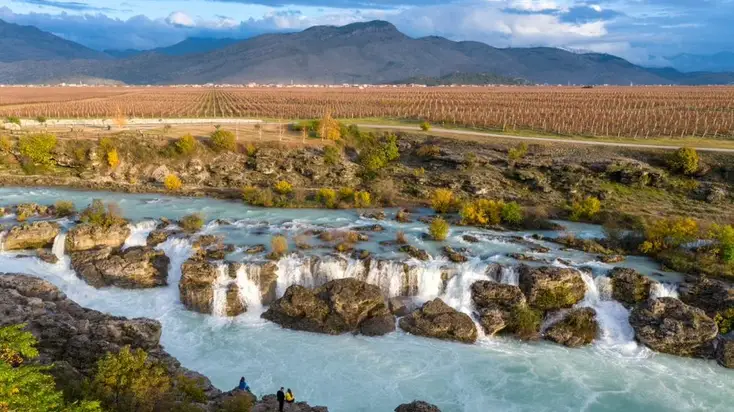
Interesting Facts about Montenegrin Vineyards The Largest Single Vineyard in Europe The Ćemovsko Field near Podgorica covers more than 2,300 hectares.Owned by “Plantaže 13. jul”, it is considered one of the largest vineyards in Europe under a single concession.It has over 10 million grapevines!During harvest season, up to 2,000 seasonal workers are employed. Vranac – the pride of Montenegro Vranac is an indigenous red grape variety and the most famous symbol of Montenegrin winemaking.It has a deep dark-red color and a strong, full-bodied taste – often compared to the best wines of southern Italy.The name “Vranac” means “strong black horse,” reflecting the wine’s character: powerful, lively, and passionate.Today, it’s exported to more than 40 countries worldwide. Perfect climate – sun, sea, and mountains Montenegro enjoys over 250 sunny days per year, perfect for growing grapes.The combination of Mediterranean and mountain climates gives wines a balance of sweetness and freshness.Coastal vineyards produce lighter, aromatic wines, while the inland regions produce fuller, stronger ones. A tradition more than 2,000 years old As early as ancient times, Illyrians and Romans cultivated vines on the territory of present-day Montenegro.Roman records mention vineyards in Crmnica and Boka Kotorska.On the Sutorman Hill, remains of ancient terraced vineyards are still visible. Family wineries and authentic character Besides Plantaže, there are more than 120 registered small wineries in Montenegro, especially in Crmnica and Boka.Each family has its own traditional winemaking method, passed down through generations.Tourists increasingly visit “wine roads”, routes connecting local winemakers. Krstač – a white wine unique to Montenegro Krstač is an indigenous white variety that grows only in Montenegro.It produces light, elegant wines with notes of peach, acacia, and citrus.It’s often served with fish and coastal dishes. Montenegrin wines – gaining world recognition Montenegrin wines have won awards at prestigious competitions like Decanter (London), Vinitaly (Italy), and Concours Mondial de Bruxelles.Notable labels include Vranac Pro Corde, Krstač, Epoha, Sauvignon Blanc Plantaže, and Monte Cheval. Geographic diversity in a small country In an area smaller than 14,000 km², Montenegro has vineyards by the sea and even snow-covered vineyards in the north!This creates an incredible variety of wine styles – from fresh whites to rich reds and dessert wines. Eco-friendly winemaking on the rise The number of organic vineyards is steadily increasing, especially around Nikšić and Boka.Some winemakers use indigenous yeasts and minimal chemicals, following the “slow wine” philosophy. Wine as part of culture and tradition In many Montenegrin villages, wine is seen as a sacred drink – an essential part of weddings, holidays, and family gatherings.There’s a saying in Crmnica:“He who has no vine – has no soul.”